
Testosterone Replacement Therapy (TRT) in London
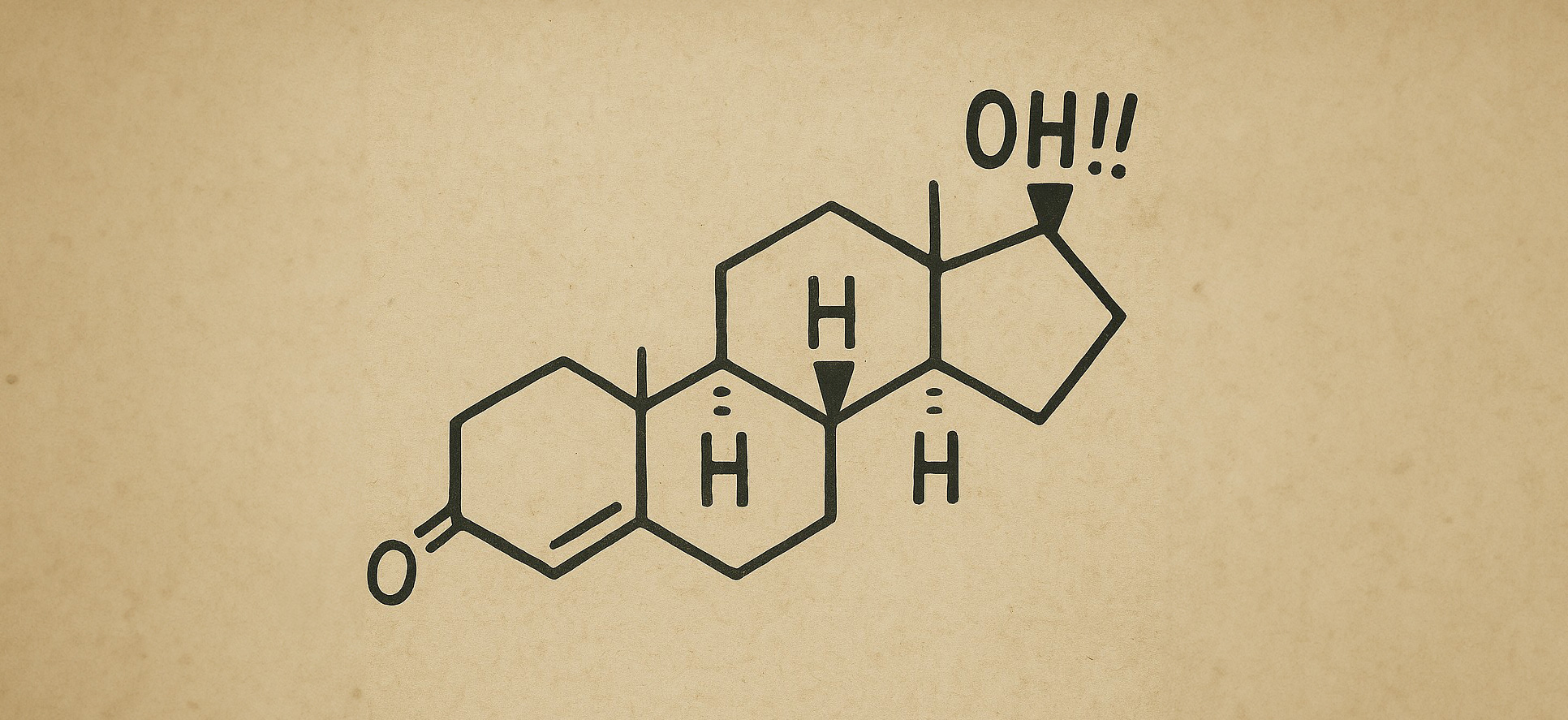
The WellMan Clinic is an established specialist men’s health clinic in Marylebone, London, with over 40 years of experience in testosterone deficiency and men’s hormonal health.
We provide comprehensive testosterone screening, specialist medical consultations and personalised management for men experiencing symptoms of low testosterone.
Our experienced doctors take a thorough, evidence-based approach, combining detailed hormone testing, clinical assessment and ongoing monitoring to ensure that any treatment is appropriate for your individual needs.
Located at 32 Weymouth Street in the Harley Street medical district, we offer discreet, face-to-face consultations in a dedicated men’s health clinic.
No GP referral is required.
The WellMan Clinic Screening Options
SCREENING OPTION 1:
Initial Testosterone Screening – £395
A focused initial assessment for men concerned about low testosterone or possible hormonal imbalance.
What’s Included:
30-minute face-to-face consultation with a specialist doctor to discuss symptoms, medical history and concerns.
Full male hormone blood panel, including testosterone, Sex Hormone Binding Globulin (SHBG), Follicle Stimulating Hormone (FSH), Oestradiol, Luteinising Hormone (LH), Progesterone and Free Androgen Index (FAI).
Review of results and recommendations to discuss the findings and any appropriate next steps.
If the initial results indicate possible testosterone deficiency or an underlying hormonal issue, further investigation may be recommended.
SCREENING OPTION 2:
The WellMan Comprehensive TRT Screening – £1550
Our most comprehensive testosterone and health assessment, providing an in-depth evaluation of hormone levels, general health and potential underlying causes of testosterone deficiency.
What’s included:
Initial 60-minute specialist doctor consultation with a specialist doctor to discuss your symptoms, medical history and health concerns, alongside a comprehensive physical examination.
Comprehensive blood testing: Including haematology, biochemistry, lipid profile, full male hormone profile (including pituitary hormones), thyroid function, vitamin D and B12.
Specialist complexed prostate-specific antigen (cPSA) testing, processed in Germany.
Additional diagnostic investigations, including an ECG, body composition assessment and lung function testing.
Follow-up consultation of up to 60 minutes to review your results, explain the findings and discuss any recommended treatment or further investigation.
Following your assessment, your doctor will discuss the findings and advise on the most appropriate next steps, including whether testosterone replacement therapy may be suitable.
What is Testosterone Replacement Therapy (TRT)?
Testosterone Replacement Therapy (TRT) is a medical treatment used to manage testosterone deficiency (also known as hypogonadism) in men whose testosterone levels are consistently low and who have relevant symptoms.
Treatment involves prescribing testosterone to bring levels back into the normal physiological range. Depending on the individual, this may involve testosterone injections, gels or, in selected cases, oral testosterone.
TRT is not suitable for everyone and should only be started following a thorough medical assessment and appropriate blood tests. Your doctor will consider your symptoms, hormone results, medical history, general health and future fertility plans before recommending treatment.
When prescribed appropriately, TRT can help improve symptoms associated with testosterone deficiency. Ongoing medical supervision and regular blood tests are essential to monitor treatment response, adjust dosage where necessary and identify potential side effects.
What is Testosterone Deficiency?
Testosterone deficiency, also known as hypogonadism, occurs when the body does not produce sufficient testosterone. Testosterone is an important hormone responsible for maintaining male sexual function, muscle mass, bone density, red blood cell production and overall wellbeing.
Testosterone levels naturally fluctuate and can decline with age. However, persistently low levels may also be associated with underlying medical conditions, certain medications, obesity or problems affecting the testes or pituitary gland.
A diagnosis requires both compatible symptoms and consistently low testosterone levels confirmed through appropriate blood testing.
What are the Signs of Low Testosterone?
Low testosterone can affect men in different ways. Symptoms vary between individuals and may develop gradually.
Common symptoms include:
- Reduced sex drive (libido)
- Erectile difficulties
- Persistent fatigue or reduced energy
- Low mood, irritability or changes in motivation
- Difficulty concentrating or reduced mental clarity
- Loss of muscle mass and strength
- Increased body fat
- Reduced bone density
These symptoms can also be associated with other medical conditions. If you are experiencing persistent changes, a medical assessment can help establish whether testosterone deficiency may be a contributing factor.
Could You Have Low Testosterone?
If you are experiencing symptoms associated with low testosterone, our Testosterone Deficiency Screening can help assess your hormone levels and determine whether further investigation may be appropriate.
Take our Screening Questionnaire to find out more about your symptoms and whether a testosterone assessment may be worth considering.
TRT Treatment Options at The WellMan Clinic
Testosterone replacement therapy is available in several forms. The most appropriate option depends on your testosterone levels, symptoms, medical history, preferences and individual treatment requirements.
At The WellMan Clinic, treatment options may include:
- Testosterone Injections: Available in different formulations, including longer-acting injections and shorter-acting options. The frequency of administration depends on the preparation prescribed.
- Testosterone Gel: A daily topical treatment applied to the skin, allowing testosterone to be absorbed through the skin into the bloodstream.
- Oral Testosterone (Kyzatrex): An oral testosterone treatment that may be suitable for selected patients following specialist assessment.
Your doctor will discuss the advantages and considerations of each option before recommending an appropriate treatment plan.
Ongoing Monitoring and Safety
Testosterone replacement therapy requires ongoing medical supervision to assess treatment response, adjust dosage where necessary and monitor for potential side effects.
At The WellMan Clinic, patients receiving TRT undergo at least annual blood testing to support safe prescribing and ongoing treatment monitoring. More frequent hormone testing and additional investigations are arranged where clinically required, including when initiating treatment, adjusting dosages or investigating potential concerns.
Monitoring may include:
- Testosterone levels: To assess treatment response and ensure levels remain within the appropriate range.
- Full blood count and haematocrit: To monitor red blood cell levels, as testosterone treatment can increase haematocrit.
- Prostate health: Including PSA testing where clinically appropriate.
- Symptoms and general wellbeing: To review improvements, side effects and whether any changes to treatment are needed.
The frequency and extent of monitoring are determined by each patient’s treatment and clinical circumstances.
Who is TRT suitable for?
Testosterone Replacement Therapy may be appropriate for men who:
- Experience symptoms consistent with testosterone deficiency.
- Have consistently low testosterone levels confirmed through blood testing.
- Have undergone a medical assessment to establish the cause of their low testosterone.
- Have been assessed as suitable for treatment, taking into account their medical history, general health and fertility plans.
TRT is not appropriate for everyone. Your doctor will discuss the potential benefits, risks and alternative approaches before recommending treatment
Specialist Testosterone Assessment in London
If you are experiencing symptoms of low testosterone or have concerns about your hormone health, a specialist assessment is a useful starting point.
At The WellMan Clinic, our doctors provide individual assessment, comprehensive hormone testing and ongoing medical care to help you understand your results and explore appropriate treatment options.
Contact our team to discuss an appointment or find out which screening may be most suitable for you.
Frequently Asked Questions About TRT
Is TRT safe for me?
Testosterone replacement therapy can be an effective treatment for men with confirmed testosterone deficiency when appropriately prescribed and monitored. However, it is not suitable for everyone and carries potential risks and side effects. A thorough medical assessment, review of your medical history and appropriate blood testing are essential before starting treatment. Ongoing monitoring is also required to support safe prescribing.
How long does it take to feel the effects of TRT?
The time taken to notice improvements varies between individuals and depends on the symptoms being treated and the type of testosterone therapy prescribed. Some men notice changes in libido, mood or energy within the first few weeks, while other benefits may take several months. Your doctor will review your progress during follow-up appointments and adjust treatment where necessary.
Do I need a GP referral?
No, you do not need a GP referral to attend The WellMan Clinic. You can contact us directly to arrange a specialist consultation and testosterone assessment.
How do I know if I have low testosterone?
The only way to confirm testosterone deficiency is through appropriate blood testing alongside a medical assessment. Your doctor will consider your symptoms, medical history and testosterone results. Testosterone levels are generally assessed in the morning, when levels are typically highest, and low results may need to be confirmed with repeat testing.
Ready to book?
If you are concerned about low testosterone or would like to discuss your hormone health, our team is happy to help.
Contact The WellMan Clinic to arrange an appointment or discuss which testosterone screening is most appropriate for you.
📍 The WellMan Clinic, 32 Weymouth Street, London W1G 7BU
📞 020 7637 2018
✉️ Email: info@wellmanclinic.org